What is green technology in simple terms?
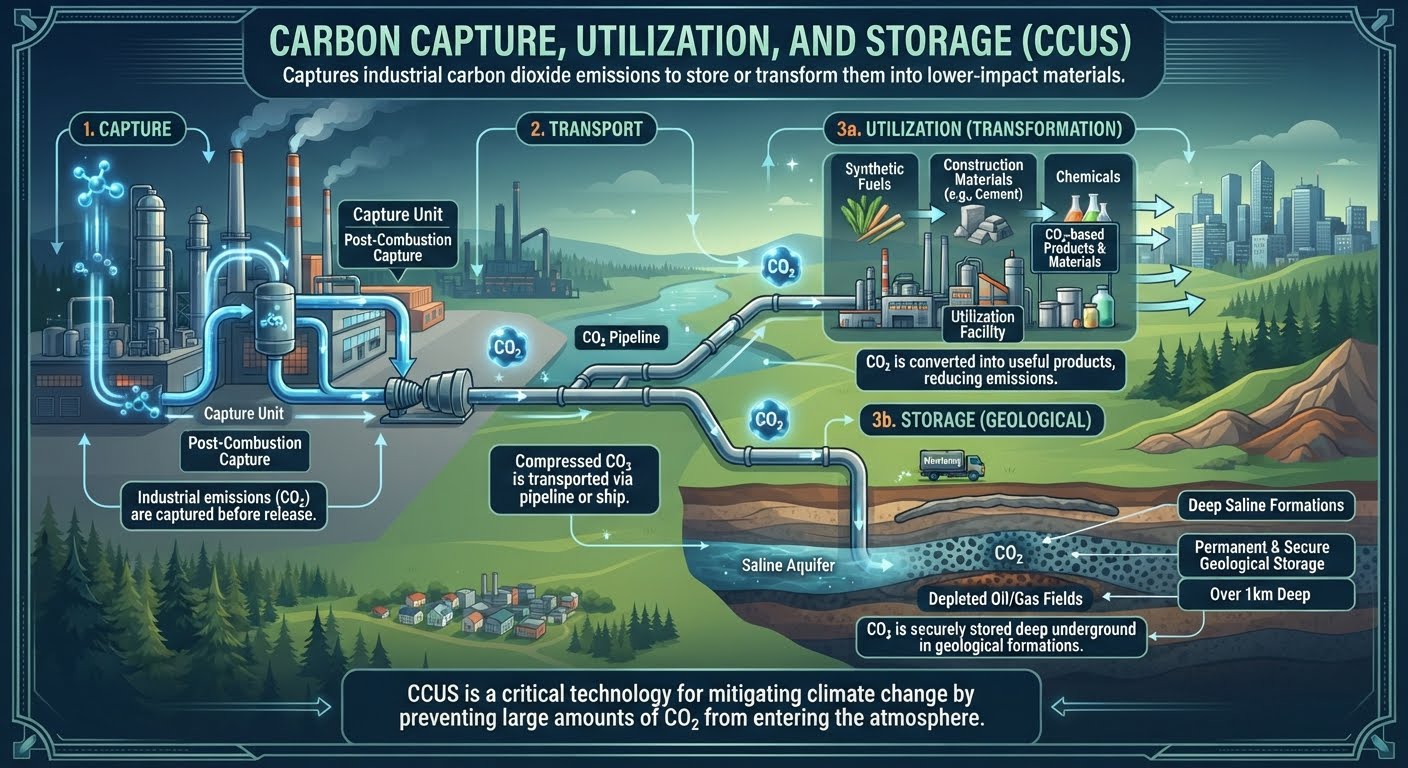
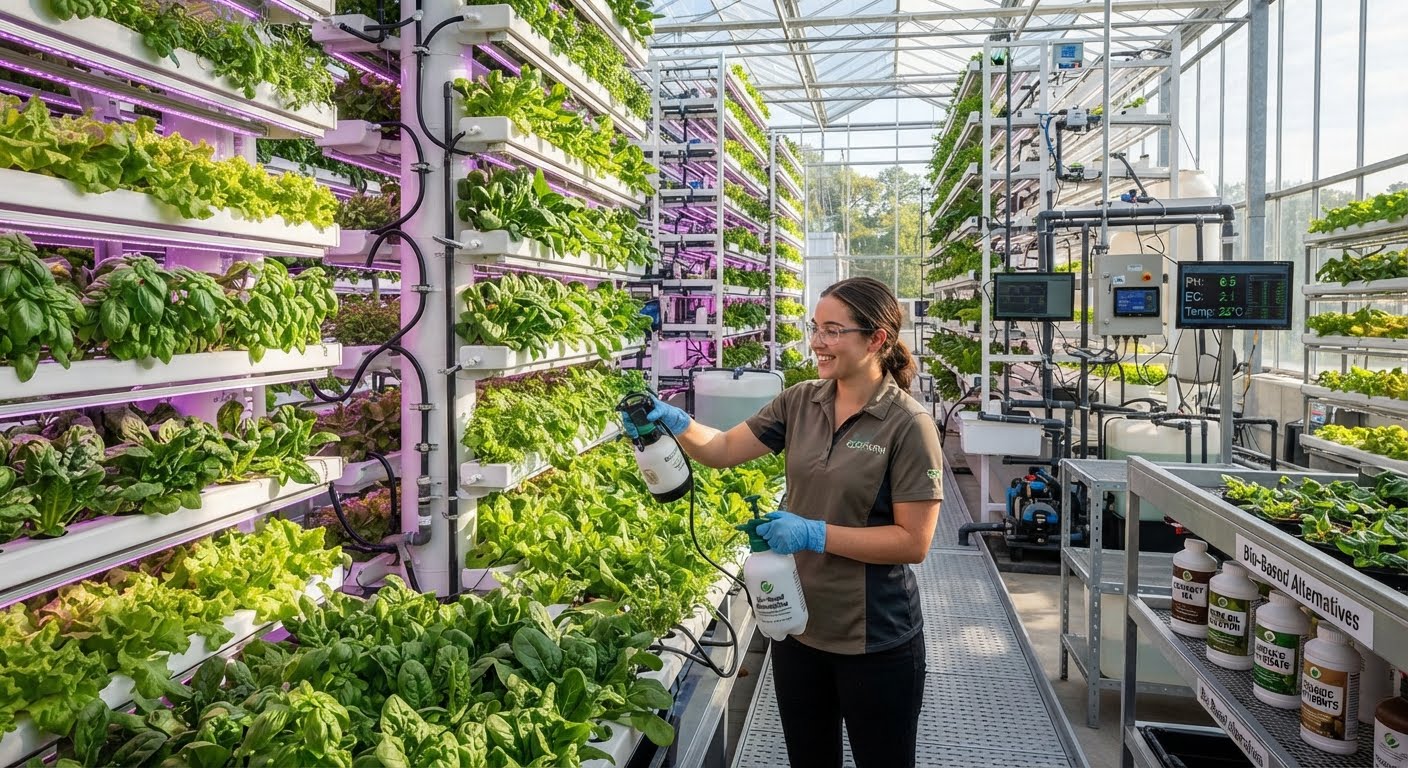
Green technology means using science, engineering and
practical innovation to reduce environmental harm.
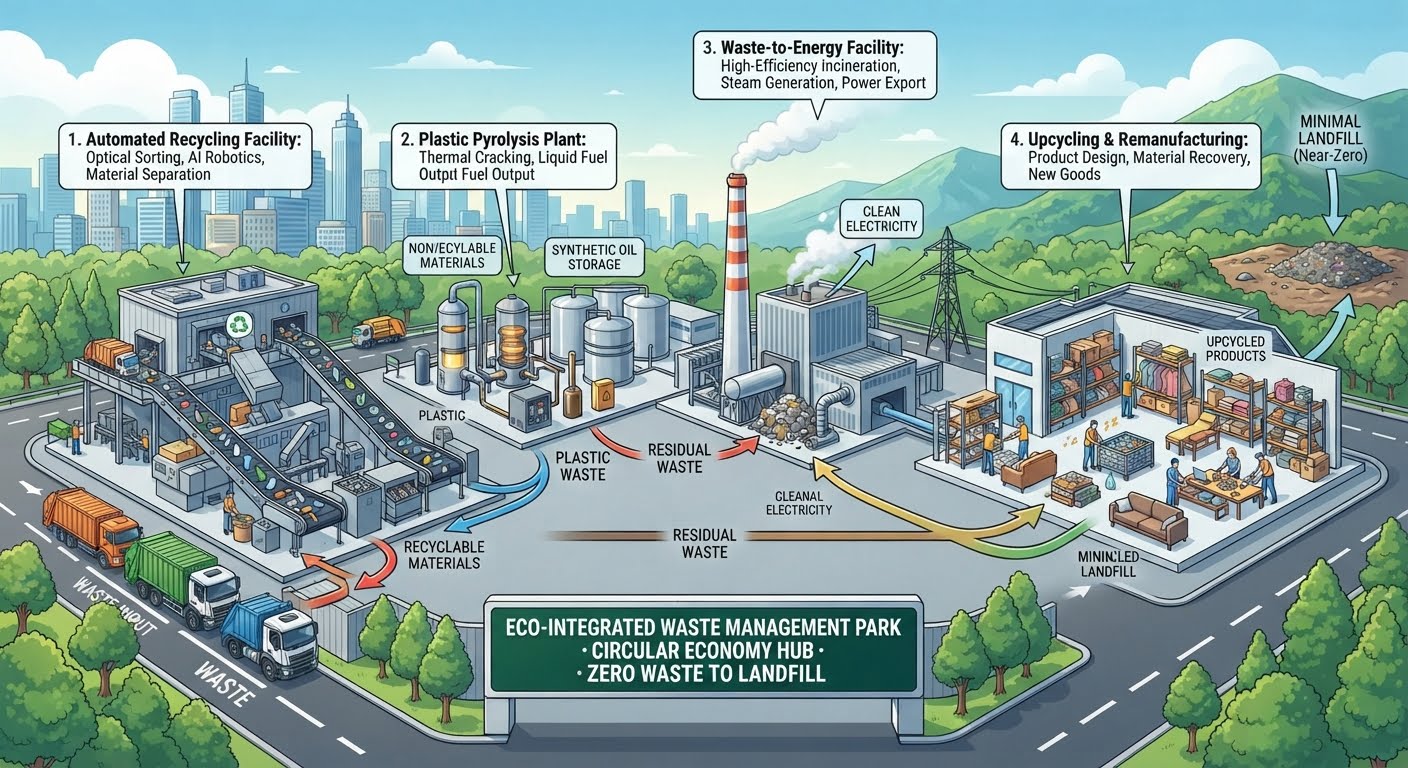
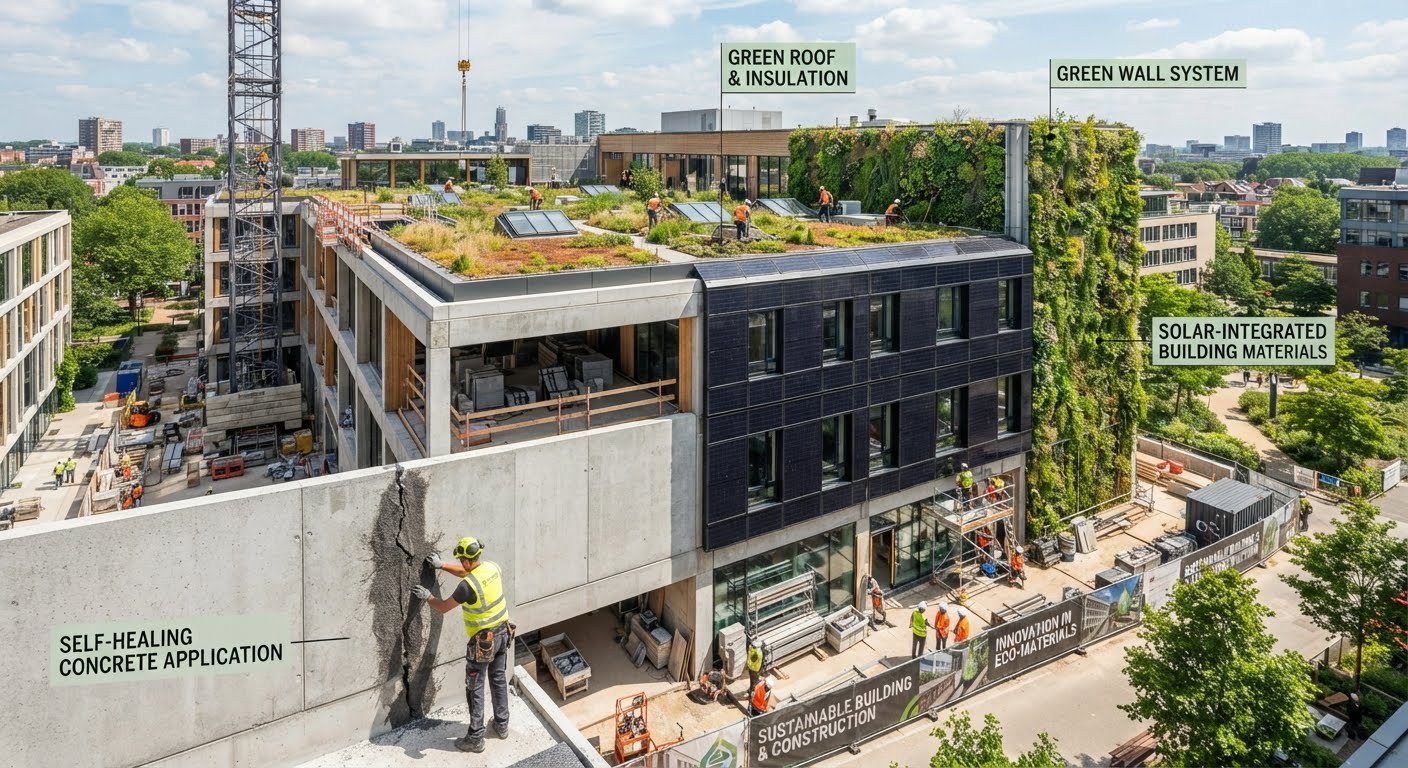
Examples include renewable energy, energy-efficient
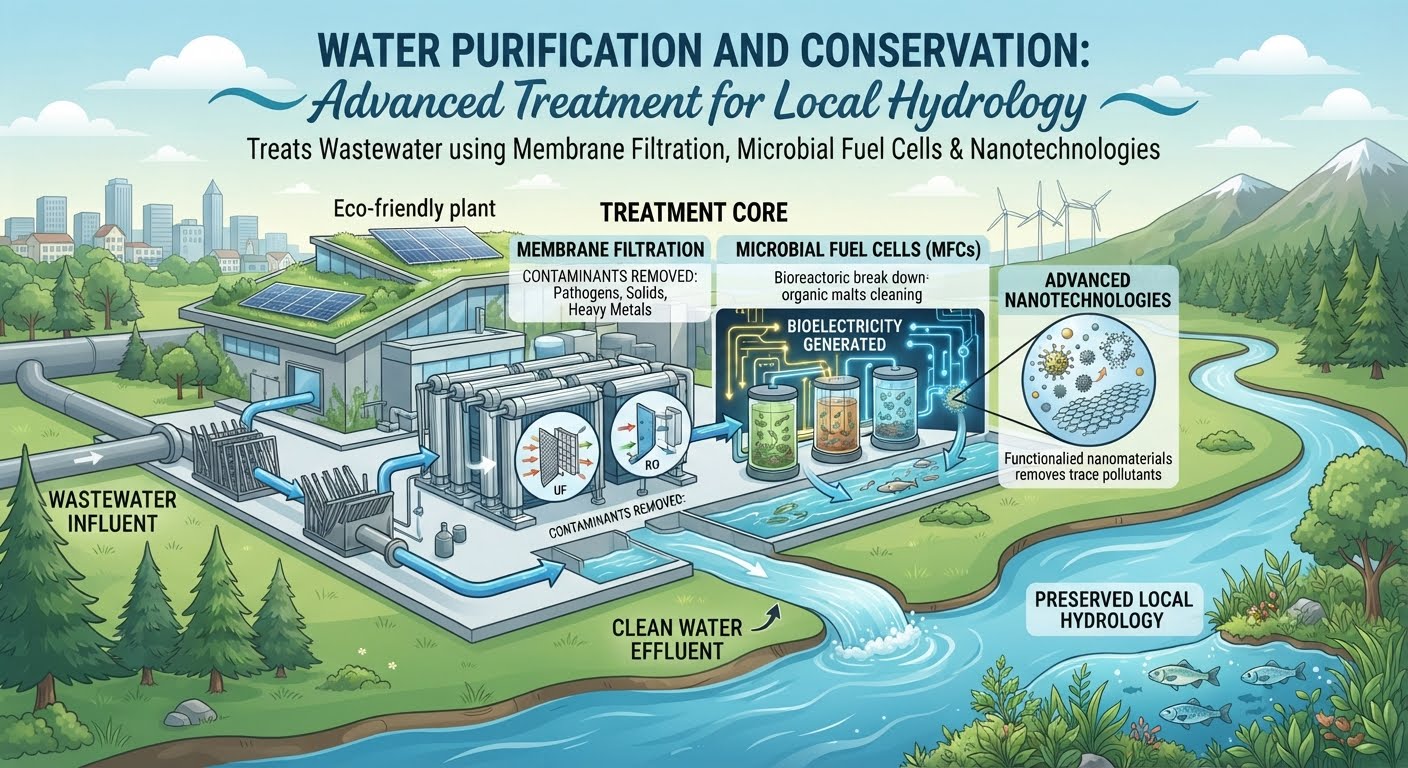
buildings, cleaner manufacturing, water-saving systems
and technologies that reduce waste. Its real benefits
depend on how it is made, used and disposed of.
What is the difference between green technology and eco-friendliness?
Green technology refers to tools, processes and systems
designed to improve environmental performance. Eco-friendliness
describes how well a product or activity avoids environmental
harm. A green technology should be evaluated to determine
whether it actually delivers the intended benefits.
Can AI help fight climate change?
Yes, in suitable applications. AI can help forecast renewable
energy generation, improve electricity systems, monitor
environmental change, optimise industrial processes and
accelerate some areas of research. Its benefits depend on
the quality of its predictions and the actions taken.
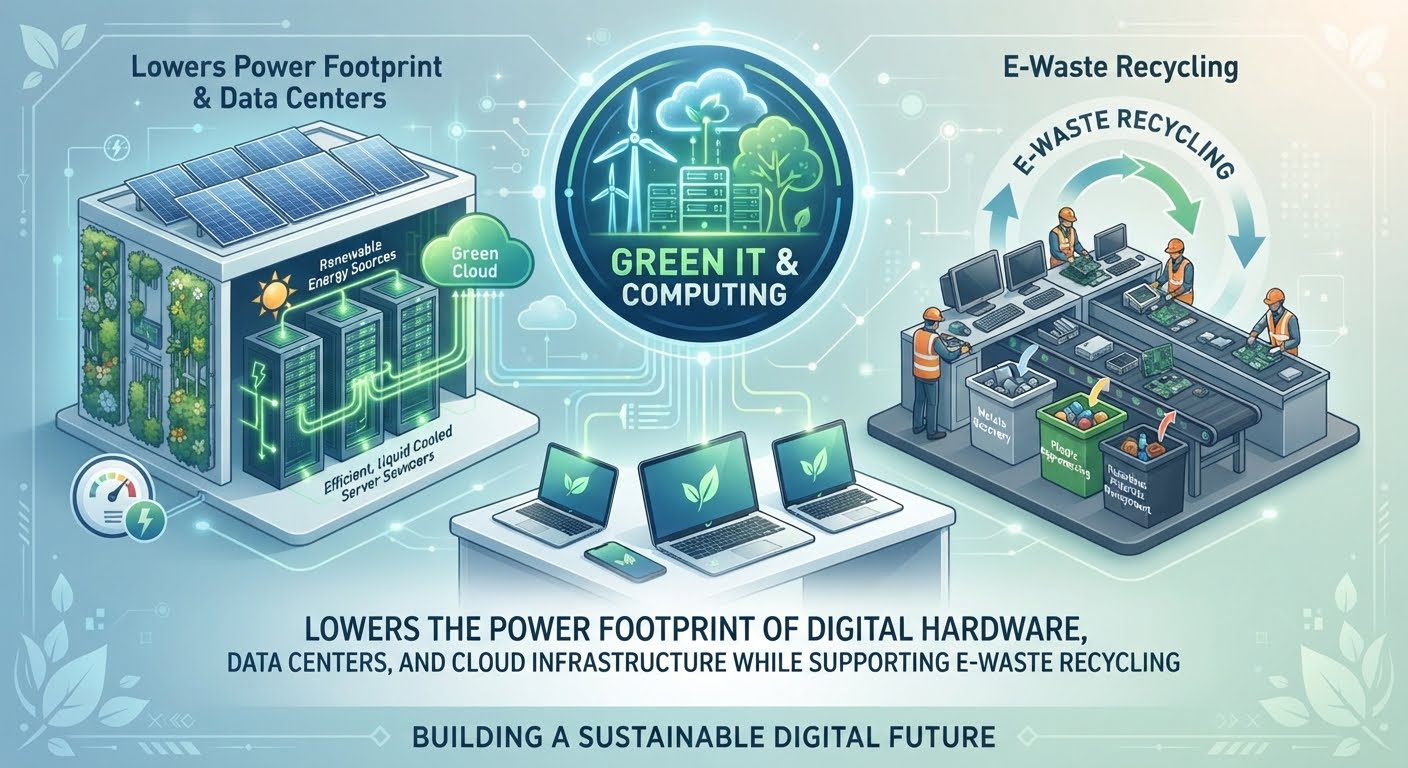
The electricity, water and hardware used by AI must also
be considered.
Is renewable energy automatically environmentally harmless?
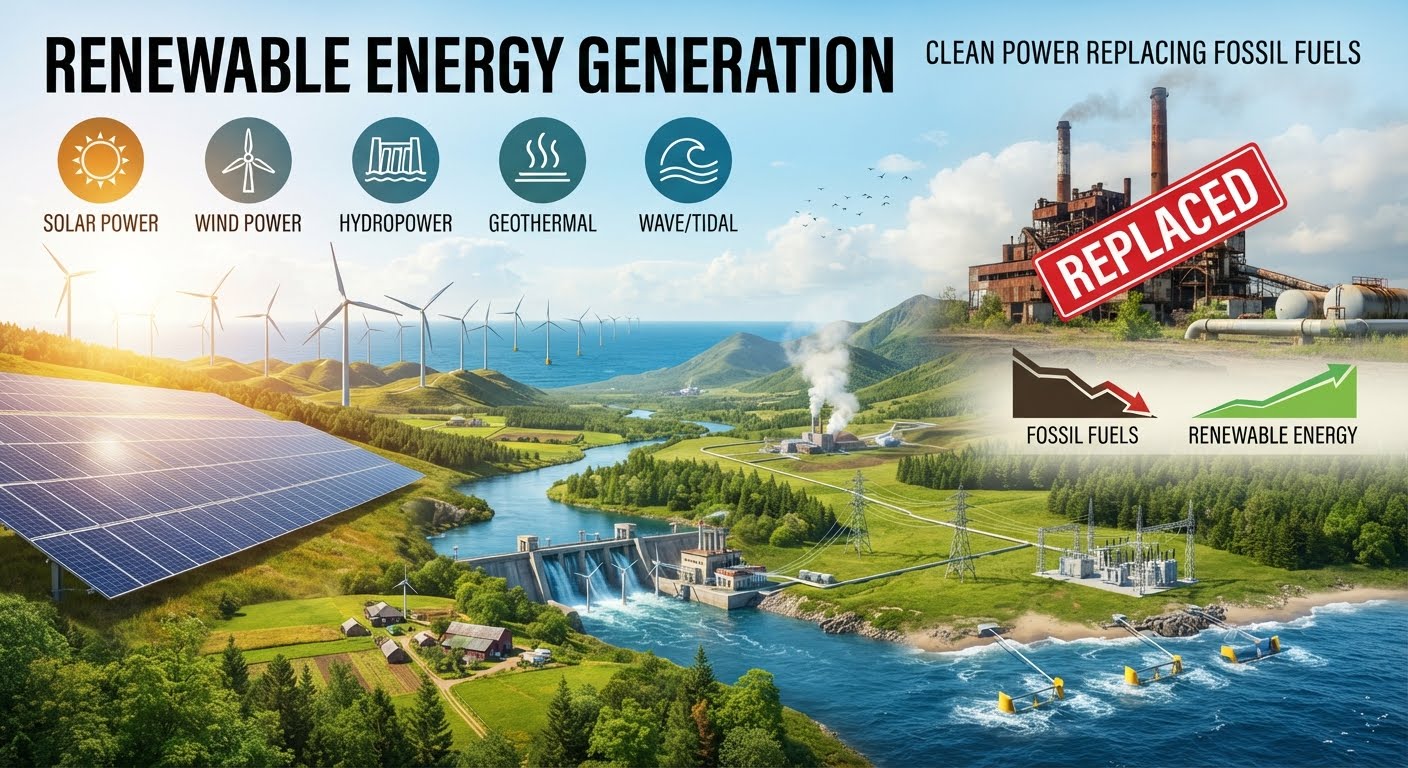
No. Renewable energy can reduce reliance on fossil fuels
and lower operational emissions, but its equipment still
requires materials, manufacturing, land or other resources.
Environmental impacts vary by technology, location,
installation and end-of-life management.
What is eco-efficiency?
Eco-efficiency means delivering useful products and services
with fewer resources and less environmental impact per unit
of value. It can involve reducing energy use, water
consumption, material waste and emissions. Total impacts
should also be assessed because greater efficiency does not
always lead to lower overall consumption.
What does Einformatics mean in this context?
In Dr. Hwa A. Lim's green-technology writing, Einformatics
is presented in the context of a green-collar career and
the relationship between information and environmental
challenges. It offers a way to explore how computing,
data and information-based skills can contribute to
sustainability-related work.
Can I enter green technology without a conventional science degree?
Potentially, yes. Environmental innovation involves
communication, data analysis, software, product design,
business development, project management and consulting,
as well as scientific research and engineering. The
qualifications required depend on the role, employer,
country and regulatory requirements. Practical projects
and demonstrable skills can help you explore possible paths.
How can a small business begin its green transition?
Start by measuring major sources of energy use, water
consumption, material waste, transport emissions and
purchasing impacts. Identify a manageable improvement,
establish a baseline, implement the change and measure
the result. Prioritise credible evidence over unverified
environmental claims.