Where life meets technology

Life is the
ultimate
technology.

What if the next breakthrough in medicine, food, materials, or environmental sustainability begins with something nature has been doing for billions of years?

Welcome to biotechnology: where the living world meets human ingenuity, where data reveals the secrets of life, and where artificial intelligence opens new possibilities for discovery and innovation.

For the curious, the unconventional, the scientific, and the entrepreneurial.

Biotechnology and biological information: an introduction to the convergence of life science and technology

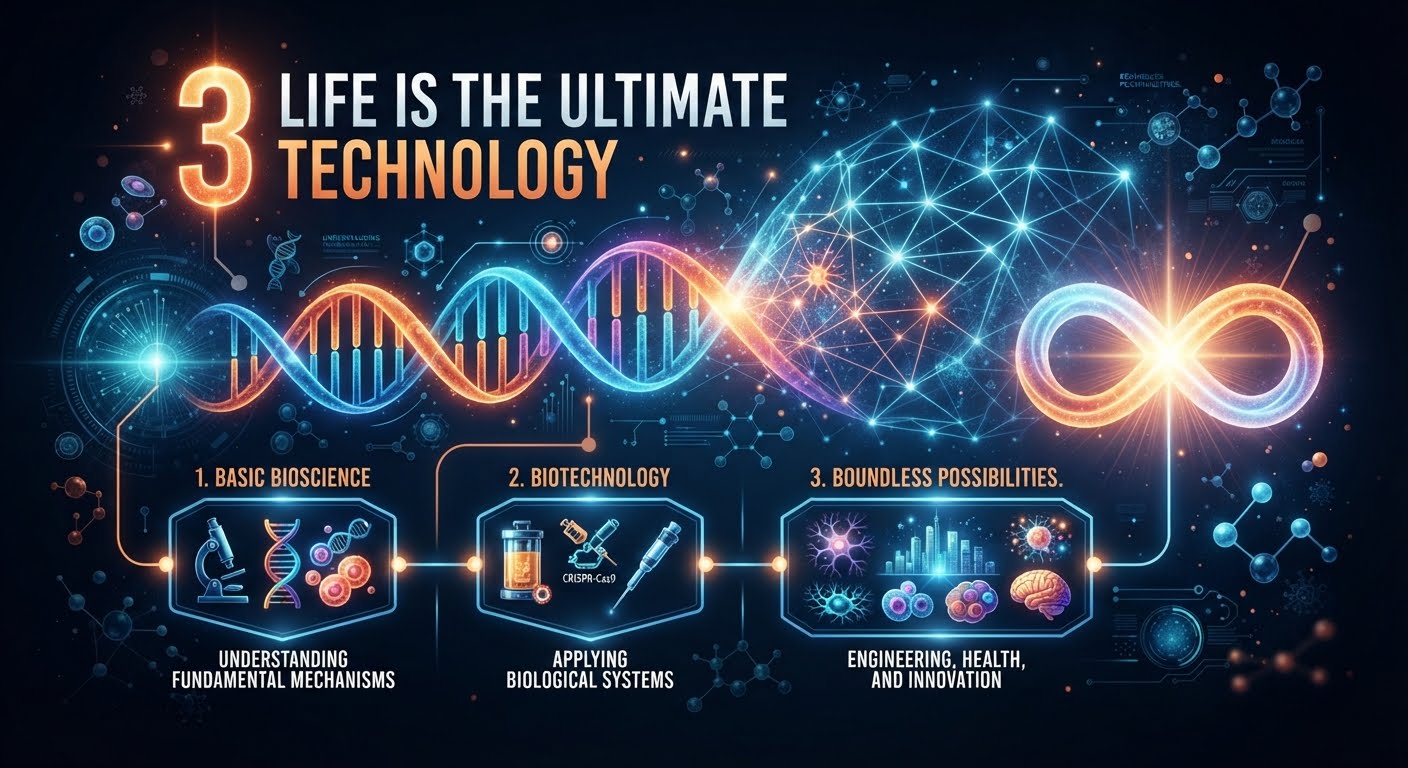
PHOTO LEGEND — Image created with Nano Banana 2 Lite.

3 → ∞ Basic bioscience.
Biotechnology.
Boundless possibilities.

So, what exactly is biotechnology?

Biotechnology is the use of living organisms, cells, biological molecules, or biological processes to develop useful products, technologies, and solutions.

That may sound technical. In practice, it can mean producing medicines with engineered cells, improving crops, using microorganisms to manufacture materials, developing biological treatments, or finding better ways to manage waste and pollution.

Humans have used biological processes for thousands of years in activities such as fermentation, farming, and selective breeding. Modern biotechnology adds tools such as genetic engineering, DNA sequencing, cell culture, automation, and computational analysis.

Today, biotechnology increasingly intersects with artificial intelligence, robotics, nanotechnology, advanced computing, and large-scale biological data. These connections create opportunities far beyond the traditional laboratory.

The short answer — ideal for quick reference Biotechnology uses biology to create practical solutions. It combines knowledge of living systems with scientific methods and technology to develop applications in healthcare, agriculture, food, industry, and environmental protection.

Explore the D'Trends biotechnology collection ↗

The bigger picture

From understanding life
to changing the world.

A discovery becomes much more powerful when it can be turned into something useful, reliable, accessible, and sustainable. Think of biotechnology as a journey with three connected stages.

01
Discover

Basic bioscience

Understand how life works. Investigate cells, genes, proteins, microorganisms, plants, animals, and biological systems.

Ask fundamental questions. Observe nature. Collect evidence. Find patterns. Develop new explanations.

AI's contribution: Help analyze biological data, compare sequences, identify patterns, and suggest promising research questions.

Explore bioinformatics ↗
02
Develop

Biotechnology

Turn scientific understanding into practical methods, processes, and technologies.

Develop candidate medicines, improve crops, engineer microorganisms, or design biological manufacturing processes.

AI's contribution: Help prioritize experiments, predict biological properties, compare candidate designs, and optimize production.

Explore AI + biotechnology ↗
03
Deliver

Biocommerce

Turn validated biotechnology into useful products, services, businesses, and solutions that reach real people.

Address manufacturing, quality, safety, regulation, investment, distribution, affordability, and customer needs.

AI's contribution: Support demand forecasting, manufacturing optimization, supply-chain planning, market research, and operational decision-making.

Explore business opportunities ↗

The connecting force: data, intelligence, and human ingenuity.

Each stage informs the next. Commercial challenges can inspire new scientific questions, while experimental results help improve technologies. AI can support this cycle without replacing the need for sound science and real-world validation.

See How AI Fits In ↗
Biotechnology in the AI era

When intelligence meets
the language of life.

Biology produces extraordinarily complex information. AI can help researchers make sense of it, explore possibilities, and decide what to test next. The most promising results emerge when computational predictions work hand in hand with experiments, expert judgment, and responsible development.

Understand

Analyze DNA, RNA, proteins, cells, and biological measurements to find patterns that might otherwise remain hidden.

BASIC BIOSCIENCE · DATA ANALYSIS · DISCOVERY

Predict

Estimate biological properties, compare candidate molecules, prioritize experiments, and generate hypotheses for further investigation.

RESEARCH · EXPERIMENT DESIGN · VALIDATION

Optimize

Help improve biological production, laboratory workflows, process control, manufacturing consistency, and resource efficiency.

BIOTECHNOLOGY · BIOPROCESSING · SCALE-UP

Deliver

Support business planning, clinical operations, supply-chain decisions, product development, and the delivery of useful innovations.

BIOCOMMERCE · ACCESS · REAL-WORLD IMPACT
Innovation needs evidence. AI predictions are not automatically scientific discoveries, safe treatments, or commercially viable products. Their value depends on suitable data, independent testing, reproducibility, expert review, and meaningful results in the intended application. In healthcare, biological safety, clinical evidence, regulatory requirements, and patient welfare remain essential.

Explore Artificial Intelligence ↗

Where biology meets real life

One discipline.
Many worlds to change.

Biotechnology is not confined to hospitals or laboratories. Its applications reach the food we eat, the materials we use, the environment we share, and the way industries manufacture products.

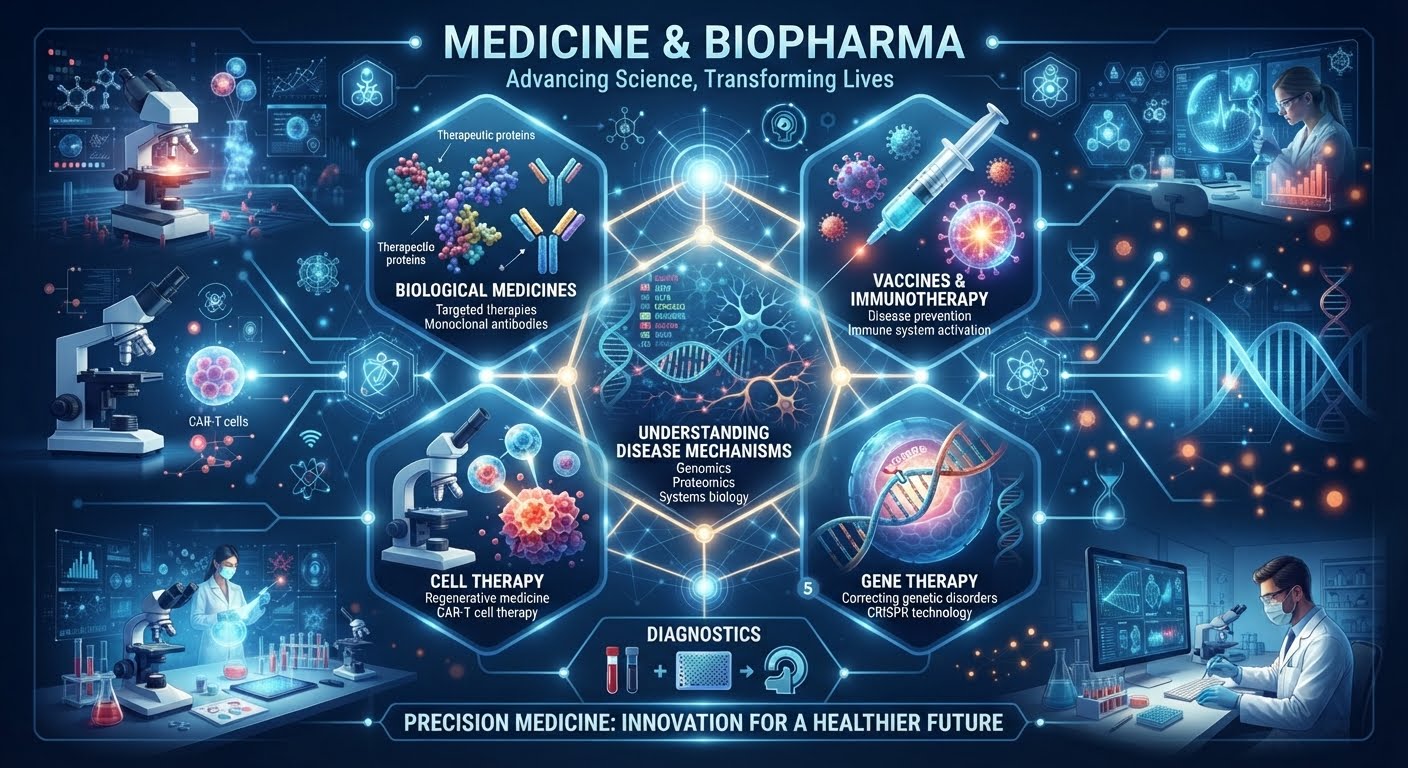
Image for biotechnology in medicine and biological research

PHOTO LEGEND — Image created with Nano Banana 2 Lite.

Medicine & biopharma

Biological medicines, vaccines, diagnostics, cell and gene therapies, and new approaches to understanding disease.

Drug discovery Diagnostics Precision medicine

Explore related resources ↗

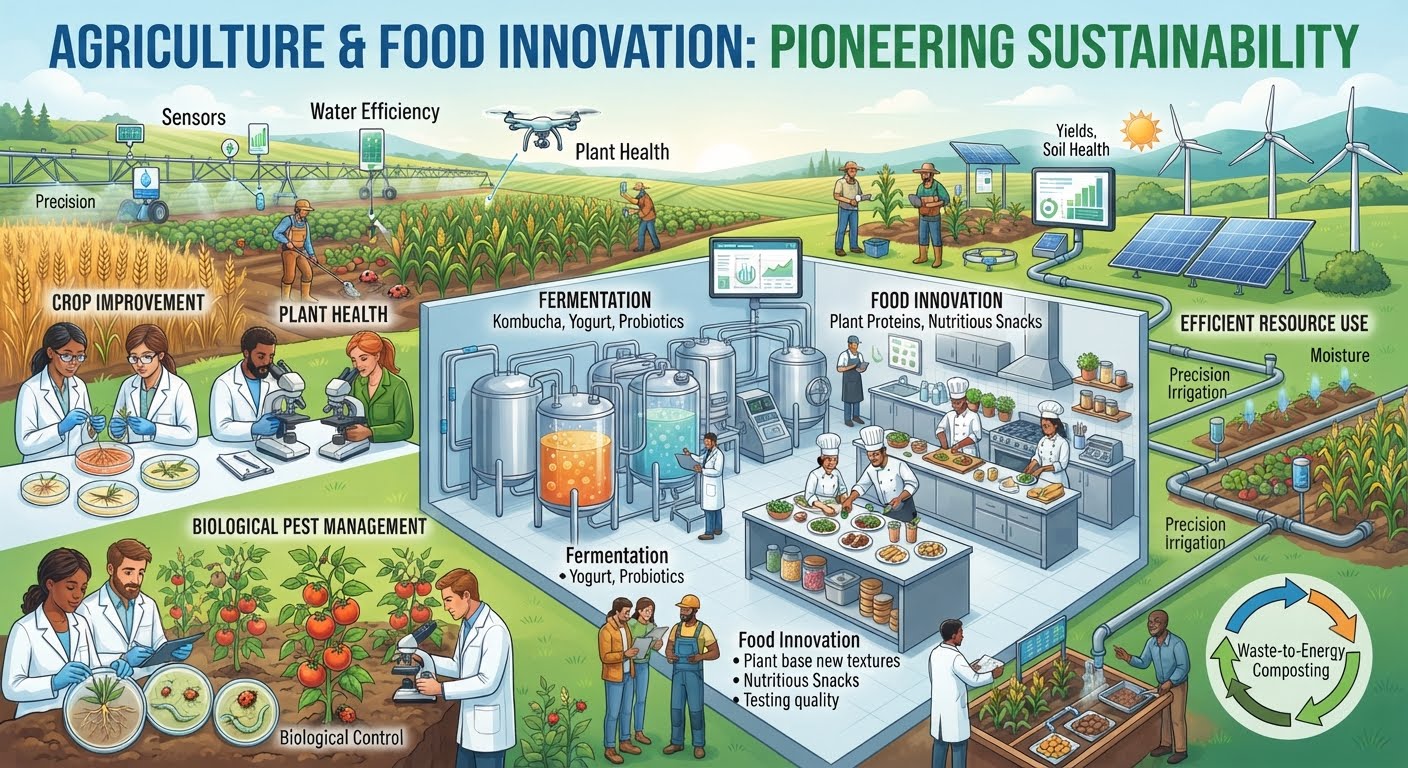
Image for agricultural biotechnology and biological innovation

PHOTO LEGEND — Image created with Nano Banana 2 Lite.

Agriculture & food

Crop improvement, plant health, biological pest management, fermentation, food innovation, and more efficient use of resources.

Food security Crop science Biofarming

Explore food systems ↗

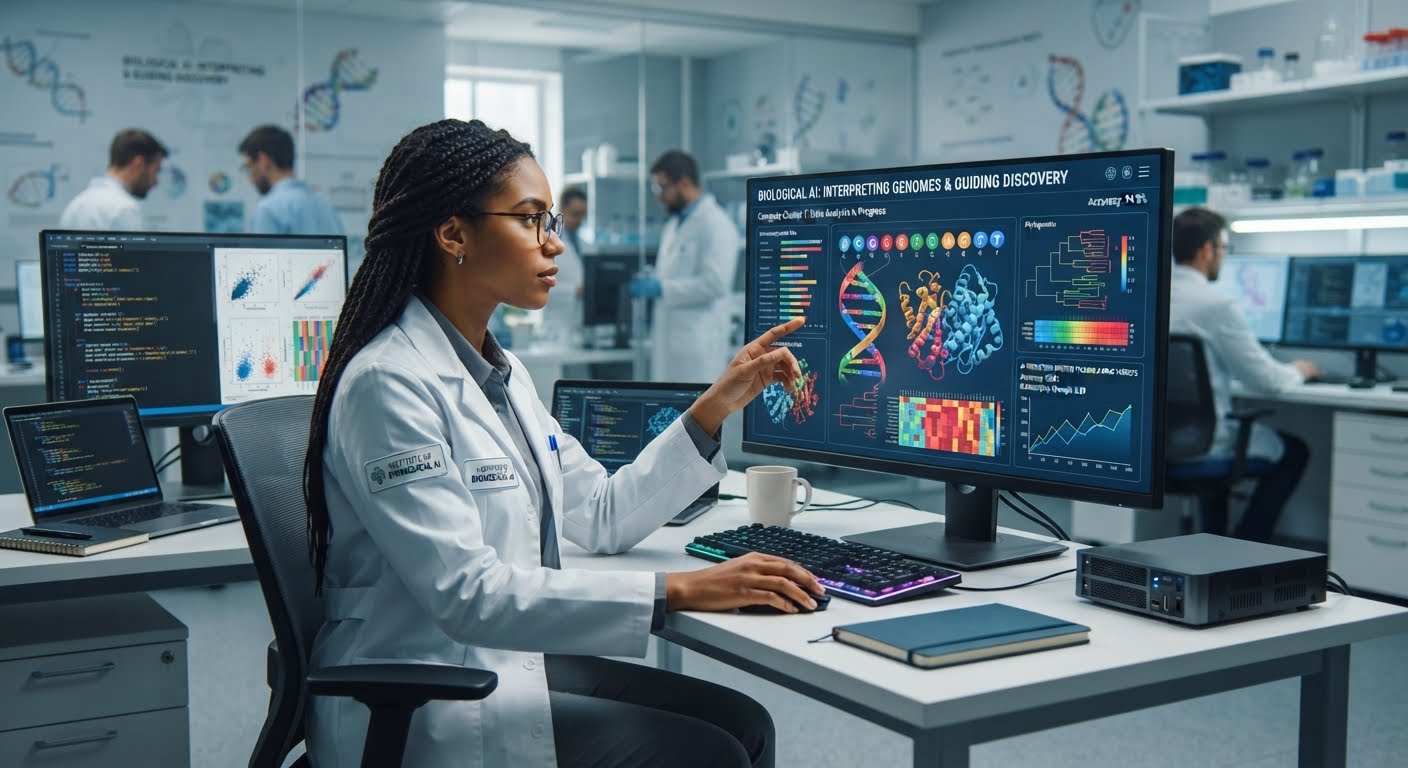
Image for bioinformatics and AI-assisted biological data analysis

PHOTO LEGEND — Image created with Nano Banana 2 Lite.

Bioinformatics & biological AI

Use computing, statistics, and AI to interpret biological information, explore relationships, and guide scientific investigation.

Biological data Machine learning Research

Explore bioinformatics ↗

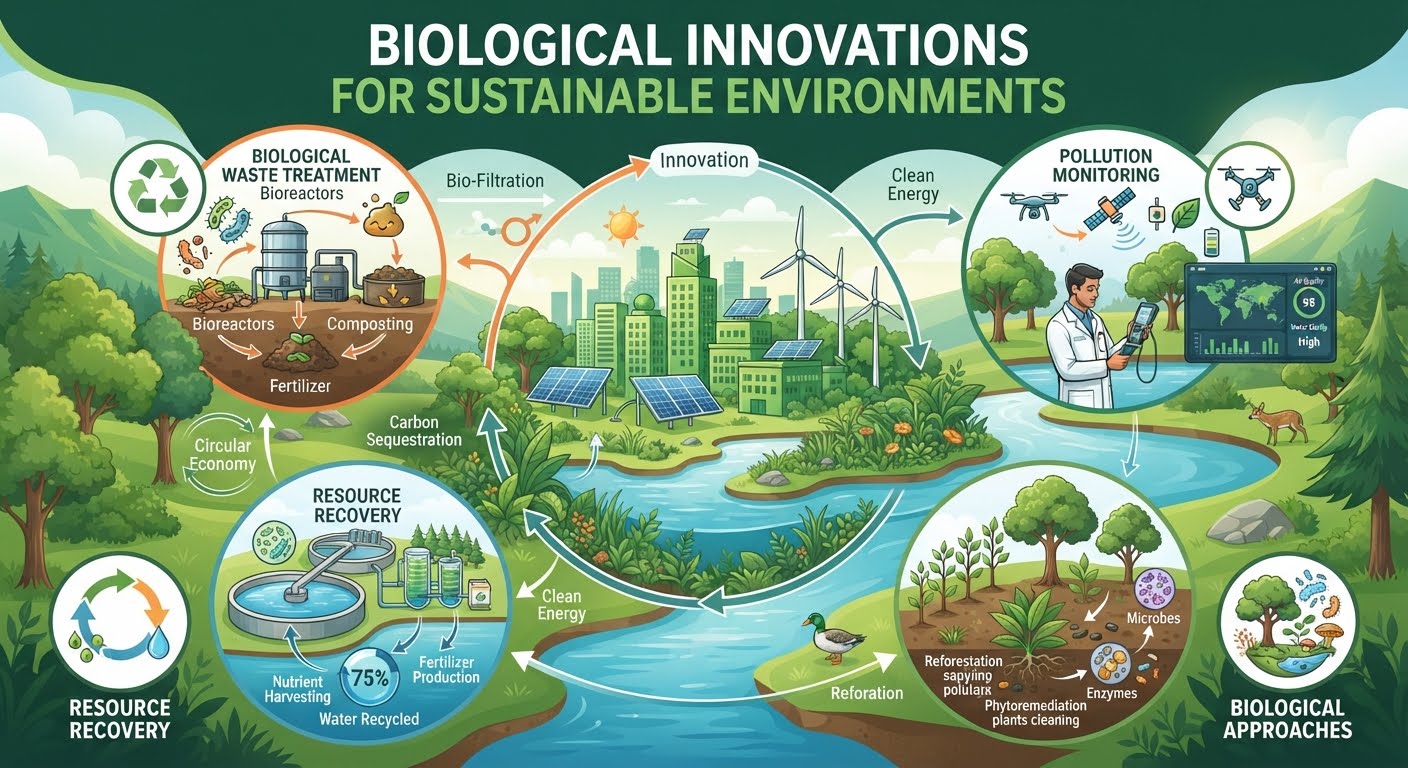
Image for biotechnology and environmental sustainability

PHOTO LEGEND — Image created with Nano Banana 2 Lite.

Environment & sustainability

Explore biological waste treatment, pollution monitoring, resource recovery, and biological approaches to environmental challenges.

Bioremediation Circular economy Bio-based solutions

Discover more ↗

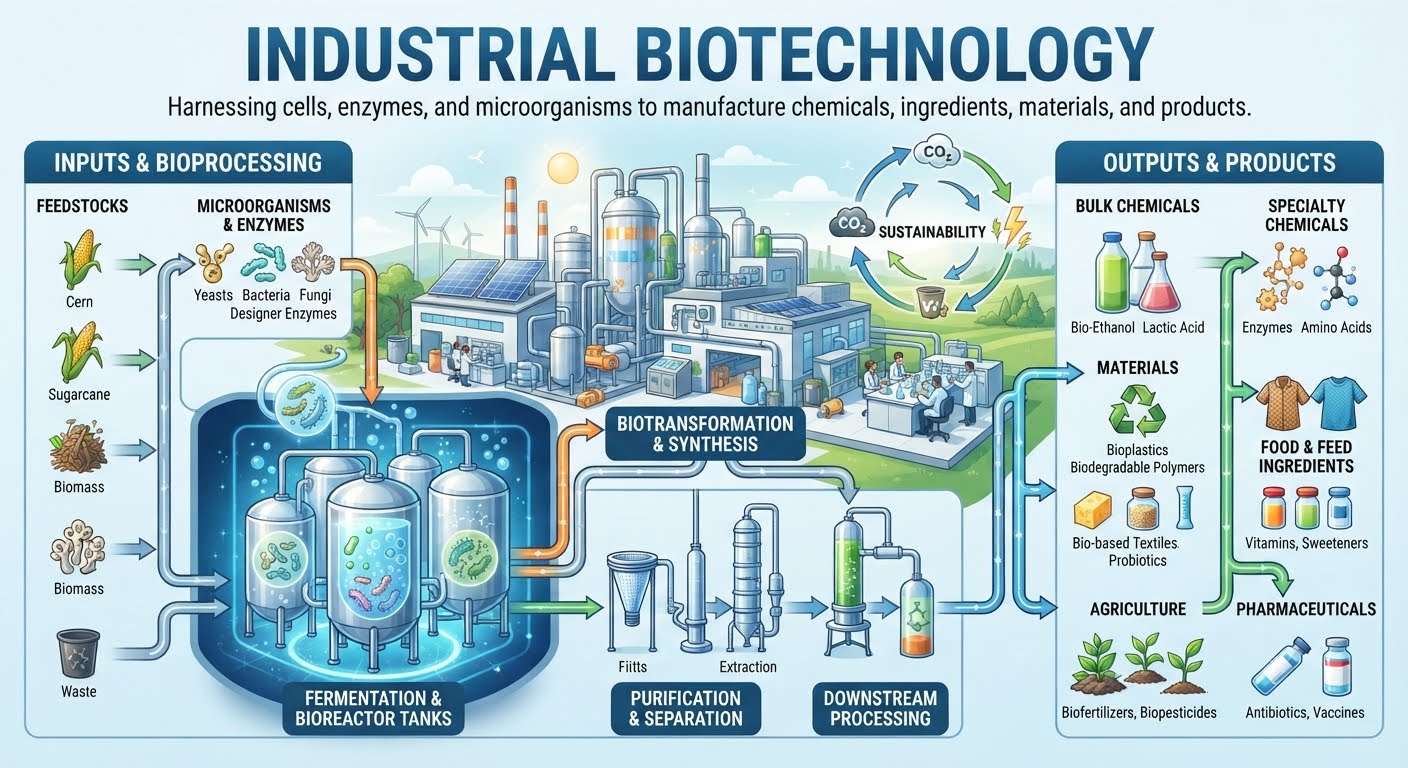
Image for industrial biotechnology, biological manufacturing, and technology convergence

PHOTO LEGEND — Image created with Nano Banana 2 Lite.

Industrial biotechnology

Harness cells, enzymes, and microorganisms to manufacture selected chemicals, ingredients, materials, and other useful products.

Biomanufacturing Bioprocessing Materials

Discover commercial pathways ↗

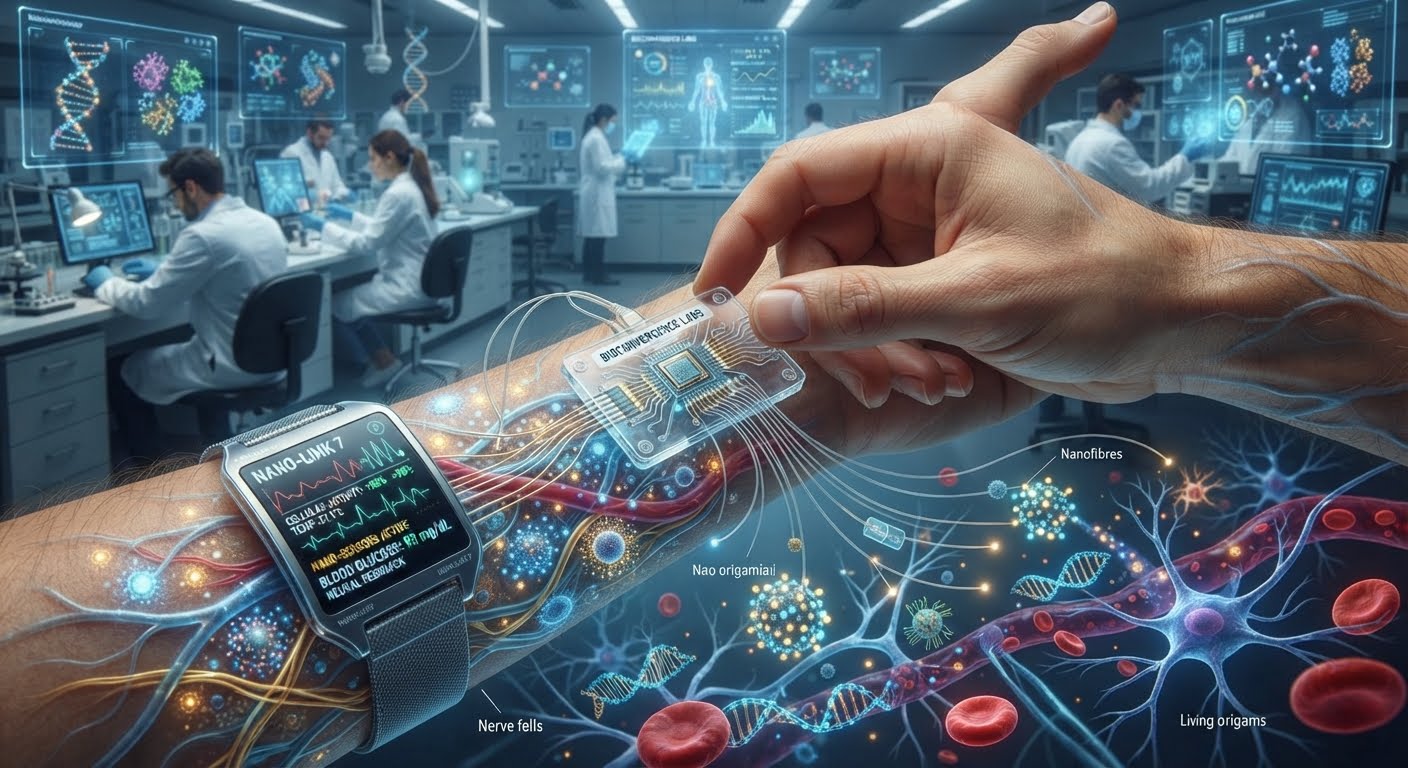
Image for interdisciplinary biotechnology innovation

PHOTO LEGEND — Image created with Nano Banana 2 Lite.

Bionanotechnology & convergence

Combine biological systems with nanoscale materials, sensors, computing, and engineering to explore new ways of measuring and interacting with living systems.

Nanotechnology Sensors Interdisciplinary

Explore biotechnology resources ↗

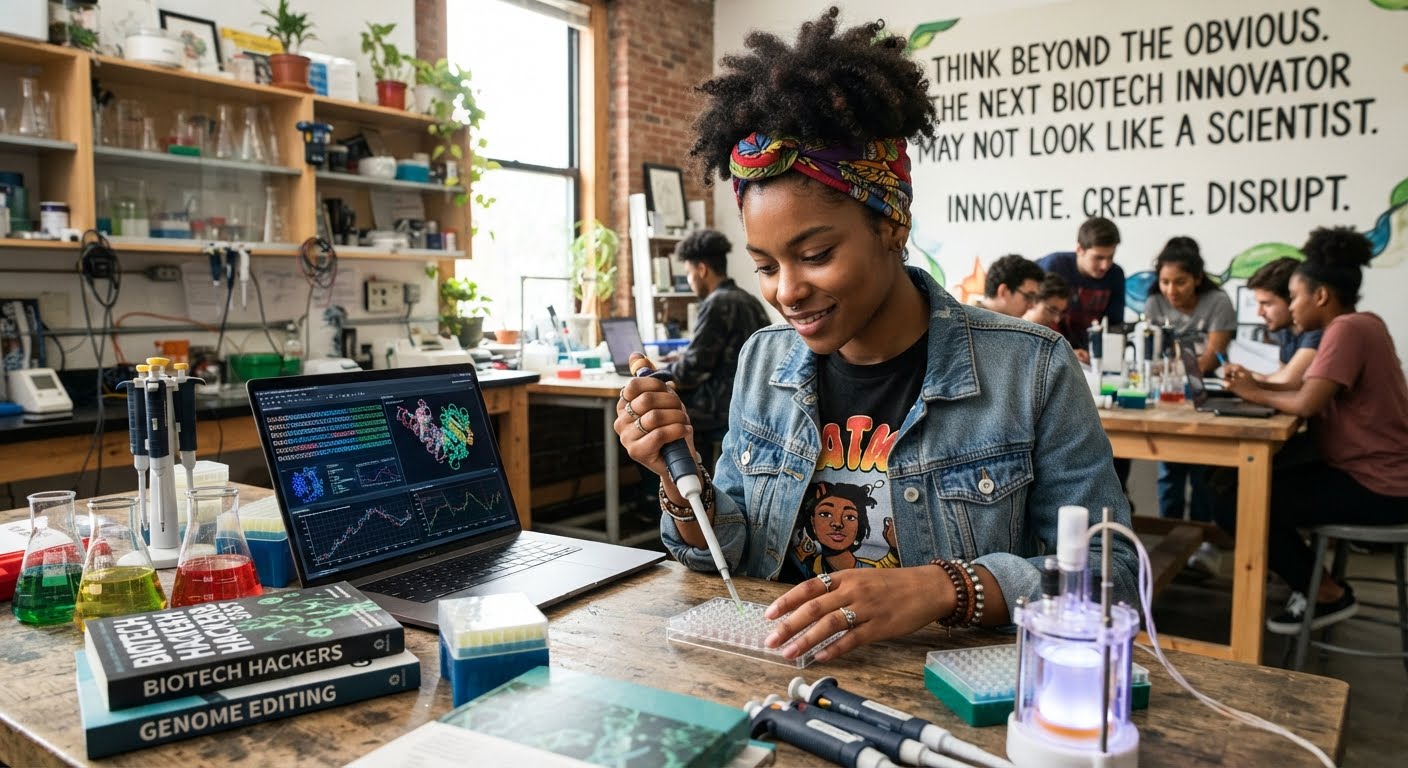
An image illustrating scientific discovery and technological convergence

PHOTO LEGEND — Image created with Nano Banana 2 Lite.

Think beyond the obvious

The next biotech innovator may not look like a scientist.

Some breakthroughs come from people who connect ideas across disciplines. A computer scientist may identify a new way to interpret biological data. An engineer may improve a manufacturing process. An entrepreneur may recognize a problem that researchers have overlooked.

Biotechnology increasingly rewards the ability to collaborate across biology, computing, engineering, business, and the social sciences.

  • Can data reveal a biological pattern?
  • Can a biological process solve a practical problem?
  • Can a promising laboratory result be produced reliably?
  • Can an innovation become accessible and affordable?

These are different questions, but they belong to the same innovation journey.

Find Your Place in Biotechnology ↗
Science meets the real world

Discovery is the beginning.
Impact is the ambition.

A promising scientific idea does not become a useful product simply because it is clever. It needs evidence, investment, people, infrastructure, appropriate oversight, and a route to real-world use.

A capitalist’s incentive is to make these things work. In the government, the goal is not to fail, so the goal is to take less risk.

You have to go outside the government to use the capitalist economic model that says, ‘Take risk and make more return’. But without government support, none of that innovation could happen because the government is the one providing infrastructure services.

Dr. Hwa A. Lim — keynote presentation, “The biodata behind big, open data,” The 7th International Conference of Veterinary Research, National Research Center, Dokki, Cairo, Egypt, December 5–7, 2017.
An amalgation of statements in:
2016 International Telecommunication Union (ITU) report titled "Shaping Smarter and More Sustainable Cities: Striving for Sustainable Development Goals", and
Eric Schmidt who frequently contrasted the cultural differences between Silicon Valley and Washington, D.C., particularly when serving as the chairman of the National Security Commission on Artificial Intelligence (NSCAI).

Basic bioscience → biotechnology → biocommerce.

The progression captures an essential challenge: how do we move from understanding nature to developing useful technologies and delivering meaningful value to society?

Editorial framing of the biotechnology-to-commerce progression featured on this page.

Innovation needs both discovery and the ability to make discovery work in the real world.

Research creates possibilities. Responsible development, funding, manufacturing, regulation, and adoption help determine which possibilities become practical solutions.

Editorial commentary.

Why the bridge matters

Public research, universities, government agencies, private investors, startups, established companies, and communities can each contribute to biotechnology innovation. Their roles differ, but effective collaboration can help promising discoveries move toward responsible applications.

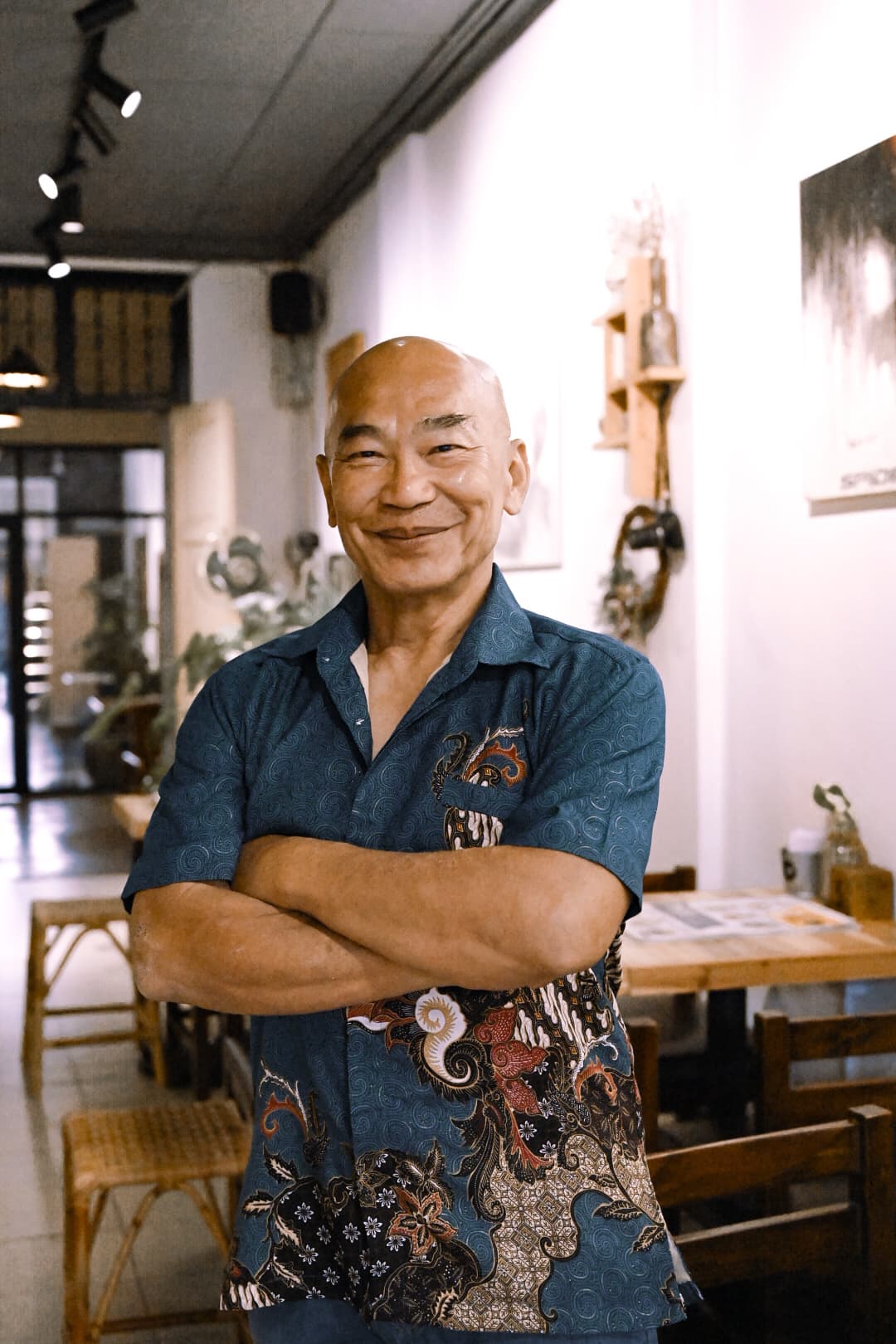
An approved photograph of Dr. Hwa A. Lim

PHOTO LEGEND — Dr. Hwa A. Lim, based in Silicon Valley, California, is an internationally renowned authority on bioinformatics, biotechnology, and new technologies such as nanotechnology and AI.
He is known to have said "Be a generalist with a specialty. Apply new breakthroughs in your domain of specialty."
"Applying breakthroughs in your specialty area", Bio-Club, Bio Era, No. 20, June 2003.
"The world has become so trans- and inter-disciplinary that you cannot stay compartmentalized."
(Photo credits: Anthony KH Teoh, Owner, Art Nature Gallery, Jan 25, 2025, @Art Nature Café).

People who connect the dots

Dr. Hwa A. Lim
林華安博士

Biotechnology becomes especially interesting when it is viewed not as an isolated scientific discipline, but as part of a wider landscape of data, information technology, agriculture, nanotechnology, business, and innovation.

Dr. Hwa A. Lim's published work, books, lectures, and conference contributions provide a historical and interdisciplinary perspective on these connections. His work has addressed biotechnology, bioinformatics, agricultural innovation, and the convergence of biotechnology and nanotechnology.

With D'Trends' Silicon Valley connection, this page also adopts a forward-looking perspective on the opportunities and challenges created by emerging technologies. Geographic proximity to a technology ecosystem can offer valuable exposure to industry developments, although individual claims about firsthand experience should be documented where appropriate.

A recurring question in Dr. Lim's work How can knowledge about life, supported by data and technology, become something that benefits people, agriculture, industry, and society?
Author & contributor

Publications on biotechnology, agricultural innovation, and the relationship between biology and information.

Speaker & lecturer

Contributions to discussions of biotechnology, nanotechnology, bioinformatics, and life-science innovation.

Interdisciplinary perspective

Connecting scientific understanding with technology development and commercialization.

Technology outlook

Exploring how successive waves of technology create new opportunities for innovation.

Explore Dr. Lim's Background ↗ Browse His Biotechnology Resources ↗
Selected work & milestones

Ideas that cross disciplines.

The following selected works and appearances illustrate how biotechnology connects fundamental science with agriculture, information technology, commercialization, and public discussion.

1999 · JOURNAL ARTICLE

Bioinformatics, pharma and farmers

T.V. Venkatesh, Benjamin Bowen, and Hwa A. Lim. Trends in Biotechnology, Vol. 17, No. 3, pp. 85–88, March 1999.

2001 · UNIVERSITY WORKSHOP

Convergence of Biotechnology and Nanotechnology

Lecture delivered at a workshop honoring Professor Britton Chance on his 88th birthday, The University of Texas Southwestern Medical Center, Dallas, Texas, USA, October 18, 2001.

2002 · LIFE-SCIENCE INITIATIVE

Biotechnology

Contribution to the North Texas BioBoot Camp, a study and review of ways to launch a life-science initiative in North Texas, USA.

2002 · BOOK

Genetically Yours: Bioinforming, biopharming, and biofarming

Dr. Hwa A. Lim, World Scientific Publishing, Teaneck, New Jersey, 2002. The book examines intersections between biological information, pharmaceutical applications, and agriculture.

2002 · EDITED VOLUME

Pathways of Bioinformatics: From data to diseases

Guest-edited by Dr. Hwa A. Lim, Briefings in Bioinformatics, Vol. 3(1), Henry-Stewart Publications, London, 2002.

2004 · ARTICLE

Biotechnology — Past, Present and Future

Dr. Hwa A. Lim, Symbiosis, October 2004, pp. 31–34.

2004 · INTERNATIONAL CONFERENCE

Bioinformatics — informatics of biotechnology, information technology, and nanotechnology

Distinguished Speaker at the Saudi Bio2004 International Conference, Jeddah, Saudi Arabia, May 10–12, 2004.

2005 · AGRICULTURE

Agriculture — Nature's Gift

Dr. Hwa A. Lim, Symbiosis, August 2005, pp. 10–12.

2005 · INNOVATION POLICY

Incentives in Promoting Biotechnology

Dr. Hwa A. Lim, Symbiosis, November 2005, pp. 21–23.

2009 · INTERNATIONAL KEYNOTE

International Conference on Biotechnology and Environmental Safety

Keynote lecture at the National Research Center, Cairo, Egypt, April 14–16, 2009.

2017 · BIODATA & OPEN DATA

The biodata behind big, open data

Keynote presentation at the 7th International Conference of Veterinary Research, National Research Center, Dokki, Cairo, Egypt, December 5–7, 2017.

View the Biotechnology Resource Archive ↗

Publication and event details are presented from the supplied background information. Confirm bibliographic details against the original records before final publication.

Biotechnology begins with nature

Before biotechnology,
there was biology.

Food offers a powerful way to understand how biological systems connect energy, living things, agriculture, economics, and human survival.

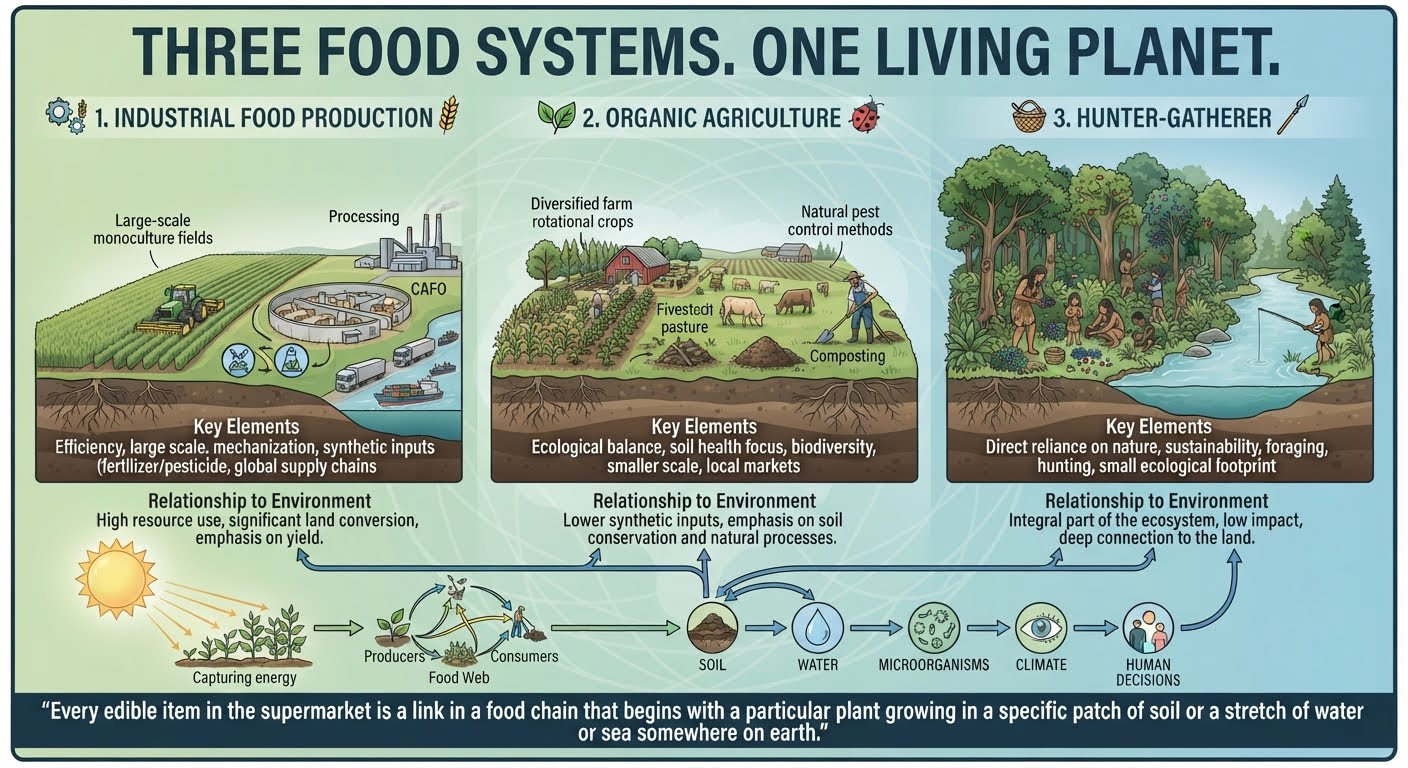
An image illustrating agriculture, food systems, and the natural world

PHOTO LEGEND — The three food systems: industrial food production, organic agriculture, and hunter-gatherer food systems.
(Image created with Nano Banana 2 Lite.)

Three food systems. One living planet.

Industrial food production, organic agriculture, and hunter-gatherer food systems differ in their methods, scale, and relationships with the environment. All depend, in different ways, on biological systems that convert and transfer energy through the natural world.

Plants capture energy from sunlight and store it in organic molecules. Food webs transfer energy through organisms and ecosystems. Soil, water, microorganisms, climate, and human decisions all influence the systems that sustain food production.

“Every edible item in the supermarket is a link in a food chain that begins with a particular plant growing in a specific patch of soil or a stretch of water or sea somewhere on earth.”

This ecological perspective reminds us that food is more than a product on a shelf. It is the outcome of interconnected biological processes.

Biotechnology can help us study these connections, improve selected agricultural practices, develop biological crop-protection methods, understand microorganisms, and investigate ways to use resources more efficiently.

But biotechnology is not a substitute for ecological understanding. A solution must be assessed in its real environmental, agricultural, social, and economic context.

Editorial note: The food-chain passages above were supplied for this page. Confirm their original source and attribution before publication.

The whole of nature is a conjugation of the verb to eat, in the active and passive.

Attributed to William Ralph Inge, "Confession of faith", 1926.
Original text: "The whole of nature, as has been said, is a conjugation of the verb to eat, in the active and in the passive."

A food chain is a system of passing those calories on to species that lack the plant’s unique ability to synthesize them from sunlight.

Attributed to Michael Pollan, in his book The Omnivore's Dilemma (2006).

Your future need not be conventional

There is more than one way into biotech.

You do not necessarily need to invent a new medicine or spend every day in a laboratory to contribute to biotechnology. Modern life-science innovation needs a wide range of skills and perspectives.

The Research Explorer

Investigate cells, genes, proteins, microorganisms, plants, diseases, or biological systems. Build the experimental skills needed to ask and answer scientific questions.

Explore research resources ↗

The Data & AI Builder

Apply computing, statistics, machine learning, software engineering, or data analysis to biological challenges.

Explore bioinformatics ↗

The Biotech Entrepreneur

Identify unmet needs, investigate possible solutions, work with scientific experts, and develop a responsible plan for turning innovation into a viable venture.

Explore commercialization ↗

The Engineer & Maker

Work on instrumentation, automation, laboratory equipment, biological manufacturing, process development, or scientific software.

Explore applications ↗

The Communicator

Explain scientific developments through writing, education, journalism, public engagement, marketing, and scientific communication.

Start exploring ↗

The Sustainability Innovator

Explore the connections between biological systems, agriculture, environmental monitoring, food security, and resource efficiency.

Explore food and ecology ↗
A practical starting point Students and newcomers can begin by learning biology fundamentals, data literacy, statistics, and basic programming. Experienced professionals can explore how their existing skills apply to life-science problems. Laboratory, clinical, and regulated biotechnology roles may require additional formal education, supervised training, or professional credentials.
From idea to impact

Have a biotech idea?
Start with a problem.

A compelling biotechnology venture begins by identifying a meaningful problem, understanding who experiences it, and investigating whether biology can help solve it.

The path from a promising idea to a commercial product is rarely a straight line. Some concepts fail scientifically. Others work in the laboratory but prove too expensive or difficult to manufacture. Some need years of testing before they can be used.

Understanding these challenges early helps founders, researchers, and investors make better-informed decisions.

Explore Biotech Background Resources ↗

A practical innovation roadmap

  1. Identify a real need Who has the problem? Why do existing approaches fall short?
  2. Investigate the science What evidence supports the idea? What is still unknown?
  3. Test the concept Design appropriate experiments and evaluate whether the approach works.
  4. Assess safety and feasibility Consider risks, regulation, cost, production, reproducibility, and real-world constraints.
  5. Develop a viable business model Identify customers, partners, resources, intellectual property considerations, and potential sources of funding.
  6. Deliver and learn Build responsibly, monitor results, learn from users, and improve the product or service.
Your next discovery

Curiosity is a good place to start.

Continue your journey through biotechnology, bioinformatics, AI, agriculture, and the people and ideas shaping these fields.

Start here

D'Trends Biotechnology Collection

Explore the existing biotechnology archive, including articles, lecture slides, a timeline, and other historical resources.

Visit biotechnology resources ↗
Biology + data

Bioinformatics

Discover the relationship between biological information, data analysis, and scientific understanding.

Explore bioinformatics ↗
Emerging technology

Artificial Intelligence

Explore AI and its relevance to emerging technologies, data-driven discovery, and technological change.

Explore AI resources ↗
People & ideas

Dr. Hwa A. Lim

Discover Dr. Lim's background and his work across biotechnology, bioinformatics, and related technology fields.

Explore Dr. Lim's page ↗
Technology ecosystem

D'Trends, Inc.

Explore the wider D'Trends website and its technology-oriented resources.

Visit D'Trends ↗
Current research

AI in Drug Discovery

Read a 2026 scientific perspective on the progress, challenges, and clinical relevance of AI-assisted drug discovery.

Read the scientific review ↗
Safety & regulation

Genome Editing Safety

Explore the US FDA's 2026 draft guidance concerning safety assessment of genome-editing products.

Read the FDA announcement ↗
Technology outlook

Biotechnology & Synthetic Biology

Explore a 2026 emerging-technology overview of biotechnology, synthetic biology, and their wider technological implications.

Read the Stanford review ↗
Visual archive

PhotoGPT Image Collection

Browse the supplied image directory for photographs and other visual assets that may be suitable for biotechnology-related pages.

Browse the image collection ↗

No matching resources were found. Try another keyword, such as AI, biology, agriculture, or books.

Good questions deserve good answers

Biotechnology, explained.

Straightforward answers to common questions about biotechnology, AI, education, careers, and commercialization.

What is biotechnology in simple terms?

Biotechnology means using living organisms, cells, biological molecules, or biological processes to make useful products or solve practical problems. Examples include certain medicines, fermentation, crop improvement, and biological methods for producing materials.

What is the difference between biotechnology and bioinformatics?

Biotechnology uses biological systems to develop applications. Bioinformatics uses computing, statistics, and data analysis to understand biological information. The fields overlap: bioinformatics can help biotechnology researchers interpret data and identify promising directions for experiments.

How is AI changing biotechnology?

AI can help analyze biological data, predict certain molecular properties, prioritize experiments, support drug discovery, and improve selected manufacturing processes. Its effectiveness depends on the quality of the data, the suitability of the model, and validation in the intended scientific or practical setting.

What does basic bioscience to biotechnology to biocommerce mean?

It describes the journey from understanding biological principles, to developing useful technologies, to bringing validated products and services into practical use. Commercial success is not guaranteed: scientific evidence, safety, manufacturing, regulation, investment, and market demand all matter.

Do I need a biology degree to work in biotechnology?

Not for every role. Depending on the position, biotechnology organizations may need software developers, data scientists, engineers, business specialists, project managers, writers, and commercial professionals. Research, laboratory, clinical, and regulated roles may require specific scientific qualifications or training.

Is biotechnology only about medicine?

No. Biotechnology also supports agriculture, food production, industrial manufacturing, environmental applications, biological materials, and research. Its applications vary in maturity, cost, effectiveness, and regulatory requirements.

Can biotechnology become a business opportunity?

Yes, but a scientific idea must be evaluated for practical value. Entrepreneurs need to consider the problem being solved, evidence supporting the technology, customer needs, development costs, intellectual property, manufacturing, regulation, and routes to market.

What should a beginner learn first?

Begin with biology fundamentals and scientific literacy. Depending on your interests, add statistics, data analysis, programming, engineering, chemistry, or business skills. Then explore a specific application and learn what training, safety practices, and credentials it requires.

Your next chapter

The future of biotechnology belongs to those who connect the dots.

Start with a question. Learn the science. Explore the technology. Find a real-world problem. Then discover where your curiosity, skills, and imagination might lead.

Explore Biotechnology ↗ Meet Dr. Lim ↗