Decode the genome
Compare DNA sequences, identify genetic variations and investigate how genes relate to biological characteristics.
Welcome to bioinformatics (生物信息学), where biology meets computing to reveal the hidden patterns of life. From understanding our genes to advancing medical research, discover how data and AI are changing the way we understand living systems.
A gateway to bioinformatics for students, scientists, innovators and lifelong learners worldwide.
Bioinformatics is the science of using computers, mathematics, statistics and data analysis to understand biological information.
Living things generate enormous amounts of information. DNA carries genetic instructions. Proteins perform countless jobs inside cells. Researchers collect data from experiments, medical studies and observations of the natural world.
Bioinformatics helps turn these data into meaningful insights. It allows scientists to compare genetic sequences, study diseases, investigate evolution, identify possible drug targets and explore how biological systems work.
In simple terms, bioinformatics helps us move from biological data to information, from information to understanding, and from understanding to practical applications.
Bioinformatics complements laboratory experiments and clinical research; it does not replace the need for experimental validation or professional medical judgment.
Bioinformatics connects biological discoveries with practical questions that affect health, agriculture, the environment and our understanding of life.
Compare DNA sequences, identify genetic variations and investigate how genes relate to biological characteristics.
Help researchers investigate disease mechanisms, identify potential biomarkers and explore opportunities for better diagnostics.
Analyze biological targets, molecular interactions and experimental results to help prioritize promising candidates for further study.
Study plant and animal genomes to support research into crop resilience, agricultural productivity and biodiversity.
Analyze environmental DNA and microbial communities to learn more about ecosystems and the organisms living within them.
Combine biological knowledge with machine learning to recognize patterns, generate predictions and guide new research questions.
Bioinformatics has evolved alongside advances in computing, biological experiments, data infrastructure and artificial intelligence. These overlapping stages describe a broad progression rather than strict historical boundaries.
Early bioinformatics emphasized collecting, organizing and sharing biological information. Researchers needed reliable ways to manage growing amounts of genetic data.
Algorithms and computing made it possible to compare sequences, recognize patterns and investigate questions that were difficult to answer manually.
Large-scale sequencing, shared databases, open research resources and cloud computing expanded the possibilities for collaboration and discovery.
Modern AI can help interpret complex biological patterns, predict molecular structures and prioritize research directions. Results still require careful scientific evaluation.
The future lies not in replacing biology with algorithms, but in combining biological insight, high-quality data, computing and AI to ask better questions and accelerate discovery.
As data become more abundant, the quality of interpretation, reproducibility, privacy protection and responsible use of AI become increasingly important.
You do not need to be an expert in every subject to begin. Bioinformatics welcomes people who enjoy asking questions, solving problems and learning across traditional scientific boundaries.
Explore biology, genetics, introductory statistics, programming and data visualization. Start with small datasets and learn how to explain what your results mean biologically.
Build practical skills in sequence analysis, reproducible workflows, biological databases, statistical reasoning and collaborative research.
Extend existing expertise with computational approaches, data integration, multi-omics analysis and carefully validated AI-assisted methods.
Apply software engineering, algorithms, statistics and machine learning to biological questions. Develop an understanding of the science behind the data, not just the tools.
Biological fundamentals · Statistics · Programming · Data management · Critical thinking · Reproducibility · Scientific communication · Responsible AI
A historical archive traces this international conference series to 1990. The first meetings brought together researchers working across biology, genome research, computing and related disciplines.
According to archives, Dr. Hwa A. Lim initiated the series and chaired its first ten conferences, from the inaugural meeting in 1990 through the tenth conference in 2001.
The table below follows the conference dates and locations listed in an archival historical timeline. The first three conferences were held biennially; the series became annual from 1995.
| No. | Dates | Venue | Chair |
|---|---|---|---|
| 1st | April 10–13, 1990 | Florida State Conference Center, Tallahassee, Florida, USA | Hwa A. Lim |
| 2nd | June 4–7, 1992 | TradeWinds Hotel, St. Petersburg Beach, Florida, USA | Hwa A. Lim |
| 3rd | June 1–4, 1994 | Augustus Turnbull III Florida State Conference Center, Tallahassee, Florida, USA | Hwa A. Lim |
| 4th | June 5–7, 1995 | Hotel Nikko, San Francisco, California, USA | Hwa A. Lim |
| 5th | June 10–11, 1996 | Baltimore Inner Harbor Marriott, Baltimore, Maryland, USA | Hwa A. Lim |
| 6th | June 11–12, 1997 | The Fairmont Hotel, San Francisco, California, USA | Hwa A. Lim |
| 7th | June 15–16, 1998 | The Copley Plaza Hotel, Boston, Massachusetts, USA | Hwa A. Lim |
| 8th | June 14–15, 1999 | Hotel Nikko, San Francisco, California, USA | Hwa A. Lim |
| 9th | June 19–20, 2000 | Fairmont Hotel, San Francisco, California, USA | Hwa A. Lim |
| 10th | June 17–19, 2001 | Fairmont Hotel, San Francisco, California, USA | Hwa A. Lim |
| 11th | June 4–5, 2002 | Hilton San Diego Resort, San Diego, California, USA | Dr. Lim served as a member of the Advisory Board. |
| 12th | June 16–17, 2003 | San Diego Concourse and Civic Theatre, San Diego, California, USA | Dr. Lim served as a member of the Advisory Board. |
| 13th | June 22–23, 2004 | Fairmont Hotel, San Francisco, California, USA | Dr. Lim served as a member of the Advisory Board. |
Historical source: D’Trends — Timeline of Bioinformatics .

A bioinformatics pioneer whose early work, historical writings, scientific publications and conference leadership form an important part of the discipline's development.
An archival timeline records that Dr. Lim anticipated the growing volume of genome data and began developing the terminology and international conference initiative that led to the first bioinformatics conference in 1990.
With support and advice from scientific colleagues, including Professor Charles R. Cantor, Professor Joseph E. Lannutti, Professor Sydney Brenner, Academician Alexandr Bayev, he convened and chaired the inaugural conference at Florida State University in April 1990.
He subsequently chaired the first ten conferences in the Bioinformatics & Genome Research series, culminating in the tenth conference at the Fairmont Hotel in San Francisco in June 2001.
Explore the original material for more context about Dr. Lim's work, publications and historical perspective.
Read Dr. Hwa A. Lim's profile →On Sunday, June 17, 2001, Dr. Hwa A. Lim delivered the opening remarks at the tenth Bioinformatics & Genome Research conference at the Fairmont Hotel in San Francisco, California.
His address reflected on the series' development since 1990 and welcomed participants to the tenth anniversary gathering.
I am most honored to open this bioinformatics conference on a Father’s Day Sunday. To be honest, I am myself very taken unexpectedly to see this auditorium of 750 filled to capacity.
Dr. Hwa A. Lim, opening remarks as Conference Chair
Bioinformatics & Genome Research, June 17, 2001
Fairmont Hotel, San Francisco, California, USA
Scientific progress depends on more than data and technology. It also depends on collaboration, curiosity and the exchange of ideas.
If you have $10 and I have $10, you give me your $10 and I give you my $10, we each still have $10. There seems to be a ‘conservation of money’.
If you have an idea and I have an idea, you give me your idea and I give you my idea. We each now have two ideas. Thus ideas propagate and the number of ideas multiplies.
— Hwa A. Lim, opening remark, Bioinformatics and Genome Research, Inner Harbor Hotel, Baltimore, USA, 1996.
The message is especially relevant to bioinformatics: biology, mathematics, computing and AI become more powerful when people share expertise and work together across disciplines.
Discover more quotations by Dr. Hwa A. Lim →The tenth conference also marked a publishing milestone. Selected lectures were compiled into a special issue of a scientific journal, helping bring conference contributions to a wider readership.
The publication connects the conference's historical focus with a wider scientific journey: turning biological data into insights that may contribute to understanding disease.
In his February 2002 acknowledgment, Dr. Lim recognized Henry Stewart Publishers for making the publication possible, Cambridge Healthtech Institute for its logistical and financial support, colleagues who helped organize the conference, the conference advisory board, and the participants whose enthusiasm contributed to the series.
His acknowledgment provides a useful reminder: scientific progress is rarely the achievement of one person alone. It grows through the work of researchers, organizers, publishers, institutions and the wider scientific community.
Explore selected archival and contemporary images. Each photograph should be accompanied by a verified caption, date, location and source where available.
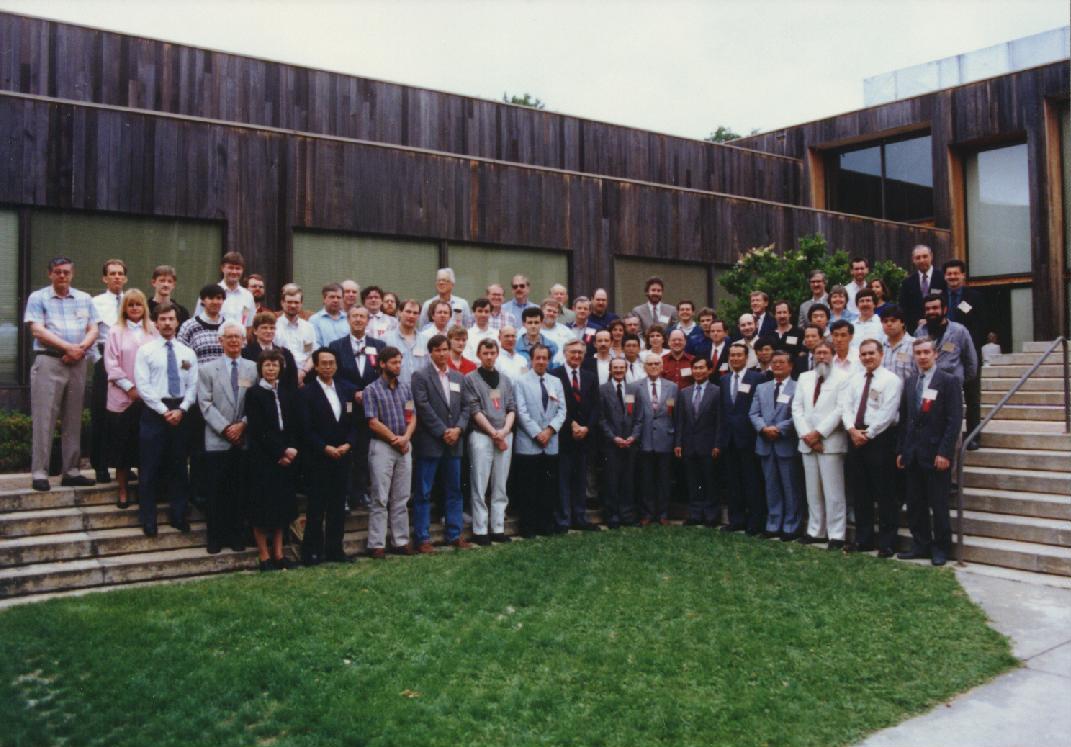

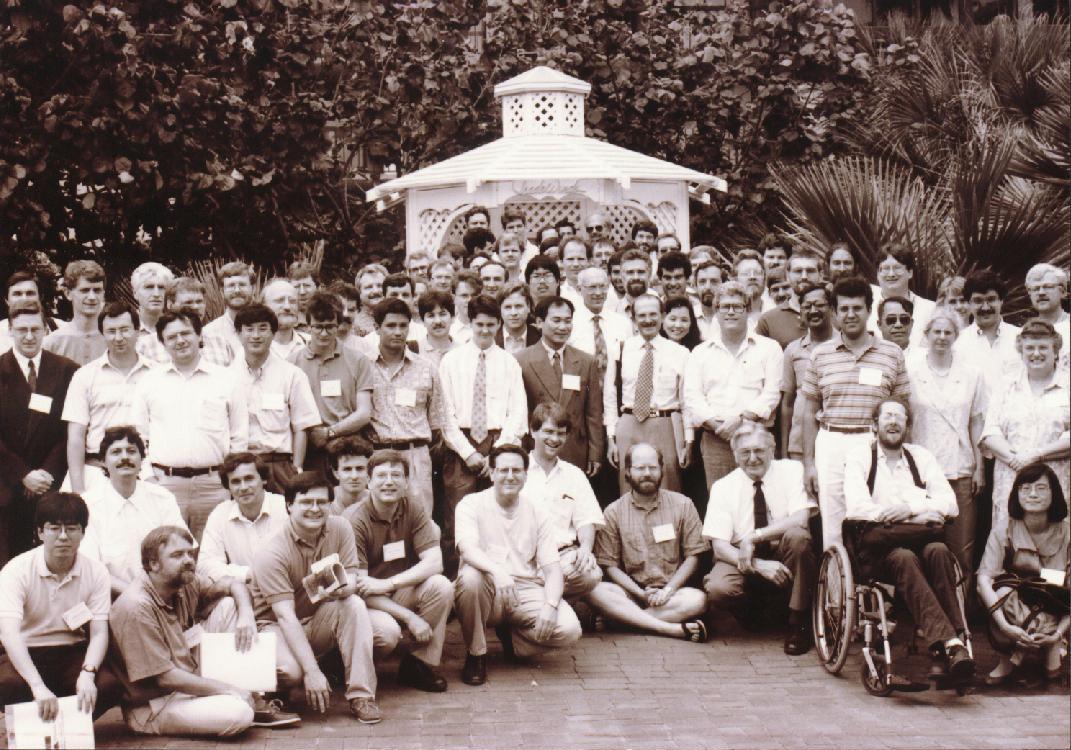
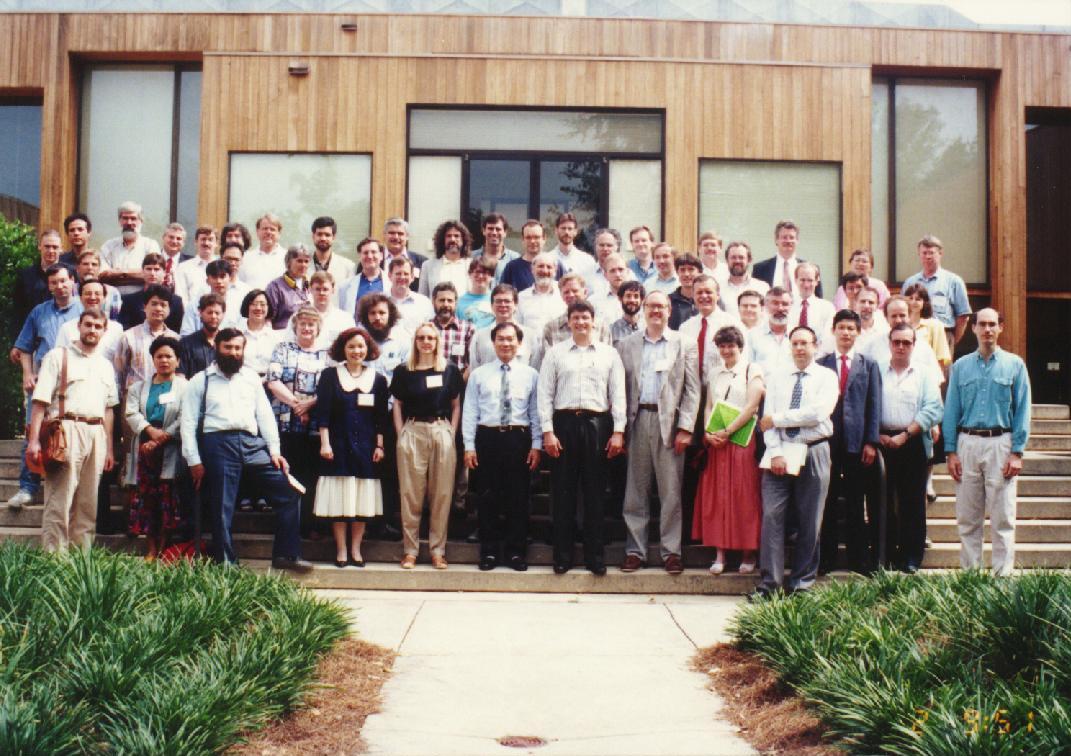
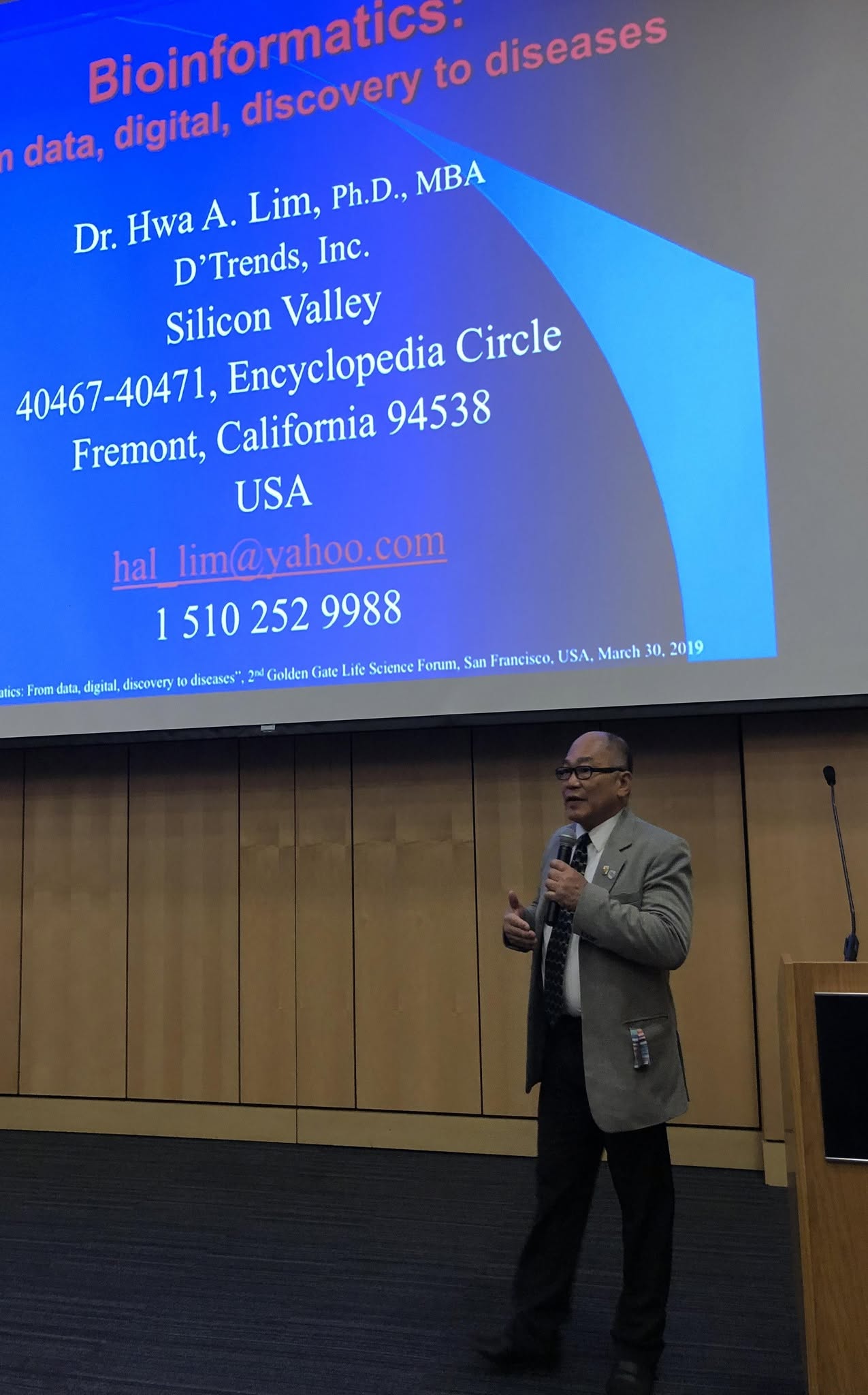

Explore the D’Trends Bioinformatics archive →
Browse the D’Trends PhotoGPT archive →
Bioinformatics is too rich a subject to fit into one page. Continue exploring definitions, history, publications, lectures, interviews and specialist learning resources.
Straightforward answers for students, researchers and anyone curious about the science of biological data.
Bioinformatics uses computers, mathematics, statistics and data analysis to organize and interpret biological information. It helps researchers understand genes, proteins, diseases, organisms and biological systems.
Modern biological research generates more data than people can reasonably analyze by hand. Bioinformatics helps organize these data, find patterns, test hypotheses and guide further scientific investigation.
AI and machine learning can help researchers identify patterns in large datasets, predict biological properties and prioritize experiments. Their predictions must be assessed for reliability, bias and biological validity.
Students and professionals from biology, medicine, biotechnology, computer science, mathematics, statistics and related fields can enter the discipline. The best starting point depends on each person's background and goals.
Potential career paths include bioinformatics analyst, computational biologist, genomics researcher, biological data scientist, research software developer and scientist working in biotechnology or pharmaceutical research. Requirements vary by role and employer.
According to the D’Trends historical timeline, the first international bioinformatics conference was held April 10–13, 1990, at the Florida State Conference Center in Tallahassee, Florida, USA. Dr. Hwa A. Lim initiated and chaired the meeting.
The D’Trends archive identifies Dr. Hwa A. Lim as the initiator of the Bioinformatics & Genome Research conference series and the chair of its first ten conferences, from 1990 through 2001.
The tenth conference took place June 17–19, 2001, at the Fairmont Hotel in San Francisco, California. Dr. Lim delivered his opening remarks on Sunday, June 17, Father's Day, reflecting on the conference series and its growth since 1990.
Genome research studies the genetic material of organisms. Bioinformatics supplies essential methods for storing, comparing, analyzing and interpreting genome data.
Whether you are choosing a field of study, beginning a research project or exploring the possibilities of AI, bioinformatics offers a way to connect ideas, data and the living world.